The handoff loses the reasoning
A person receives the setup, record, pallet, or patient, but not the context behind what happened before.
Why we started
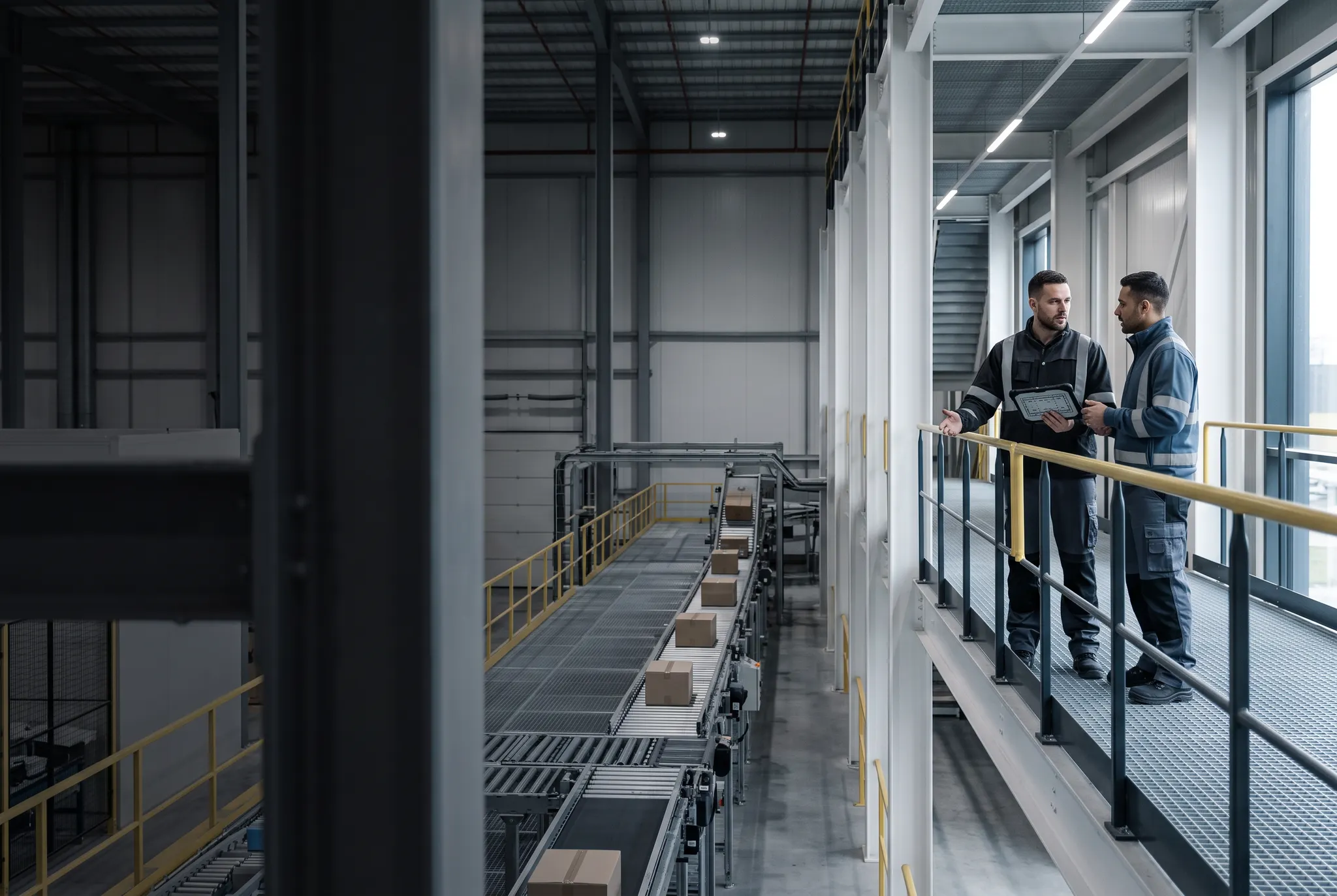
Aiwanfo was shaped through direct work inside food production, warehouse distribution, inventory operations, delivery routes, and hospital units, not assumptions about how frontline operations should work.
Why we started
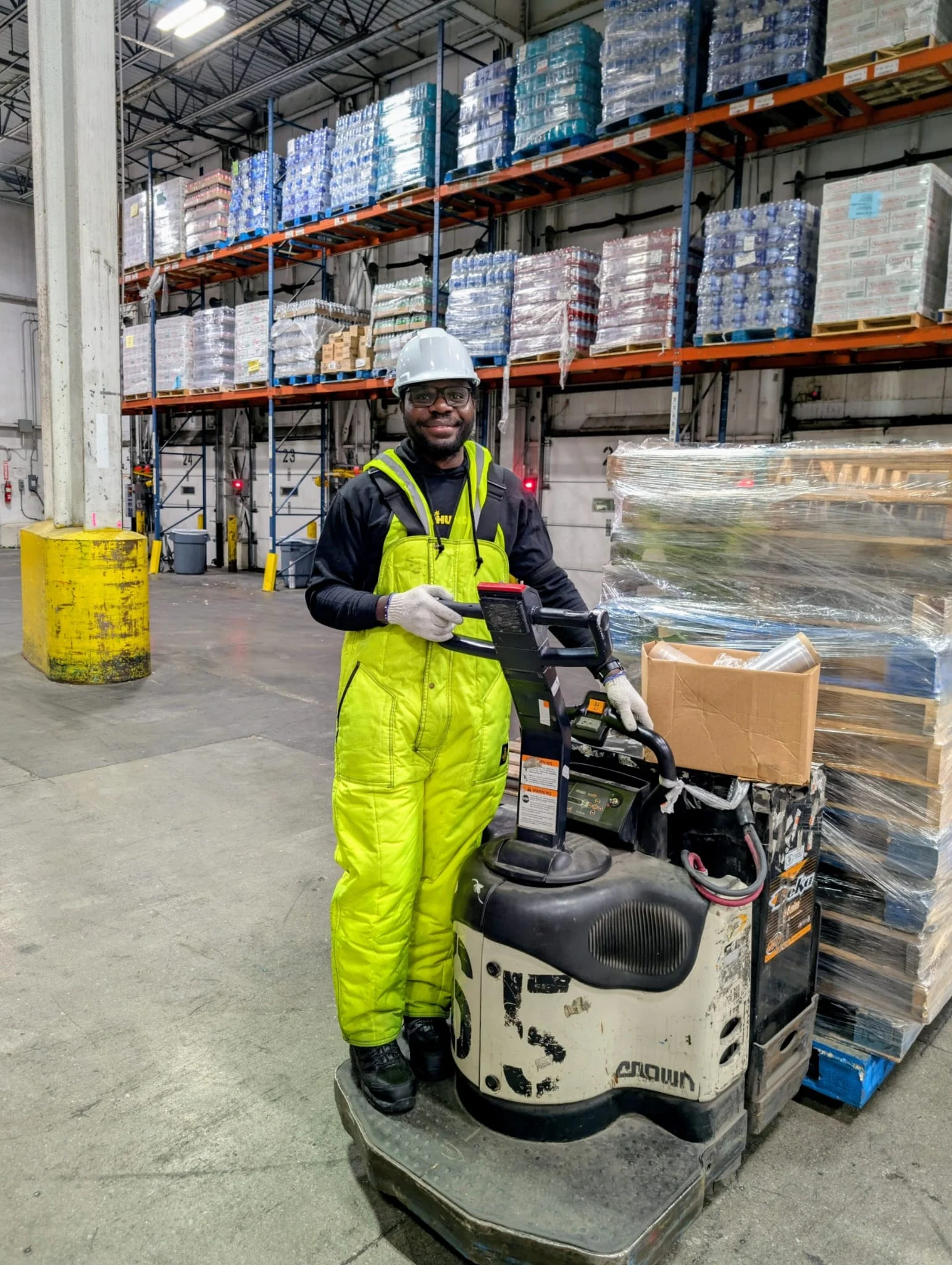
Aiwanfo’s approach was shaped by working directly inside food production, warehouse distribution, inventory operations, delivery routes, and hospital units.
Across those environments, the same pattern kept appearing: people closest to the work understood the exceptions, while the systems around them recorded only the standard path.
That is why Aiwanfo does not begin with a predetermined product. We begin by learning how one operation actually works.
The recurring pattern
Aiwanfo exists to preserve that missing operational context without removing the people whose judgement keeps the work moving.
A person receives the setup, record, pallet, or patient, but not the context behind what happened before.
People resolve unusual cases through memory, paper, messages, and judgement that never becomes reusable operational knowledge.
Frontline teams compensate for missing data, disconnected systems, unclear instructions, and equipment that does not fit the workflow.
Forms and observations are completed for compliance, then stored in ways that make patterns difficult to search, compare, or audit.
Notes from inside the work
Packing errors rarely began with one careless worker. They travelled through line setup, labels, handoffs, changing product layouts, and pressure to keep production moving.
The scanner guided the ideal workflow. Short slots, restacks, blocked aisles, mixed inventory, pallet mechanics, and delivery access created the real work.
Administrative intake, paper observations, staff handoffs, and scanned records showed how critical context can exist without becoming searchable or useful.
The rules we build by
We learn the process before choosing the technology.
The real opportunity is understanding what happens when reality diverges from the documented workflow.
Sensitive, uncertain, or consequential decisions remain visible and reviewable.
The system should show what it did, why it did it, and which source informed the result.
We build around existing systems, equipment, documents, and teams wherever practical.
You retain the code, data, models, documentation, and training required to operate the system.
Bring us the real workflow
We start with the people, systems, constraints, and exceptions already present, then decide what is worth building.