Delivery notes from email
Read attachments, identify the job, and send the useful fields to the right record without retyping.

Paperwork automation for warehouse operations
Aiwanfo helps warehouse teams read delivery notes, invoices, forms, and claims without retyping the same information. Useful data moves to the next step with the source, review points, and approvals intact.
Where the week goes
Warehouse teams lose time reading the same document, typing the same fields, and carrying the next step between systems. We remove that middle work without hiding the source.

Read attachments, identify the job, and send the useful fields to the right record without retyping.
Turn handwritten or printed paperwork into structured data, with low-confidence fields held for review.
Match documents to the right order, flag what is missing, and keep the source beside every extracted value.
Collect the evidence, check required fields, and prepare the next step without passing the case by hand.
What changes
This is not a black box replacing warehouse judgement. It is a controlled path from source document to the next useful action.
An inbox and a pile of attachments
Documents identified and attached to the right job
Fields typed into more than one system
Useful data extracted once and passed forward
Missing paperwork found at the end
Required evidence checked while the job is still active
Sensitive decisions made invisibly
Approvals, source links, and an action log
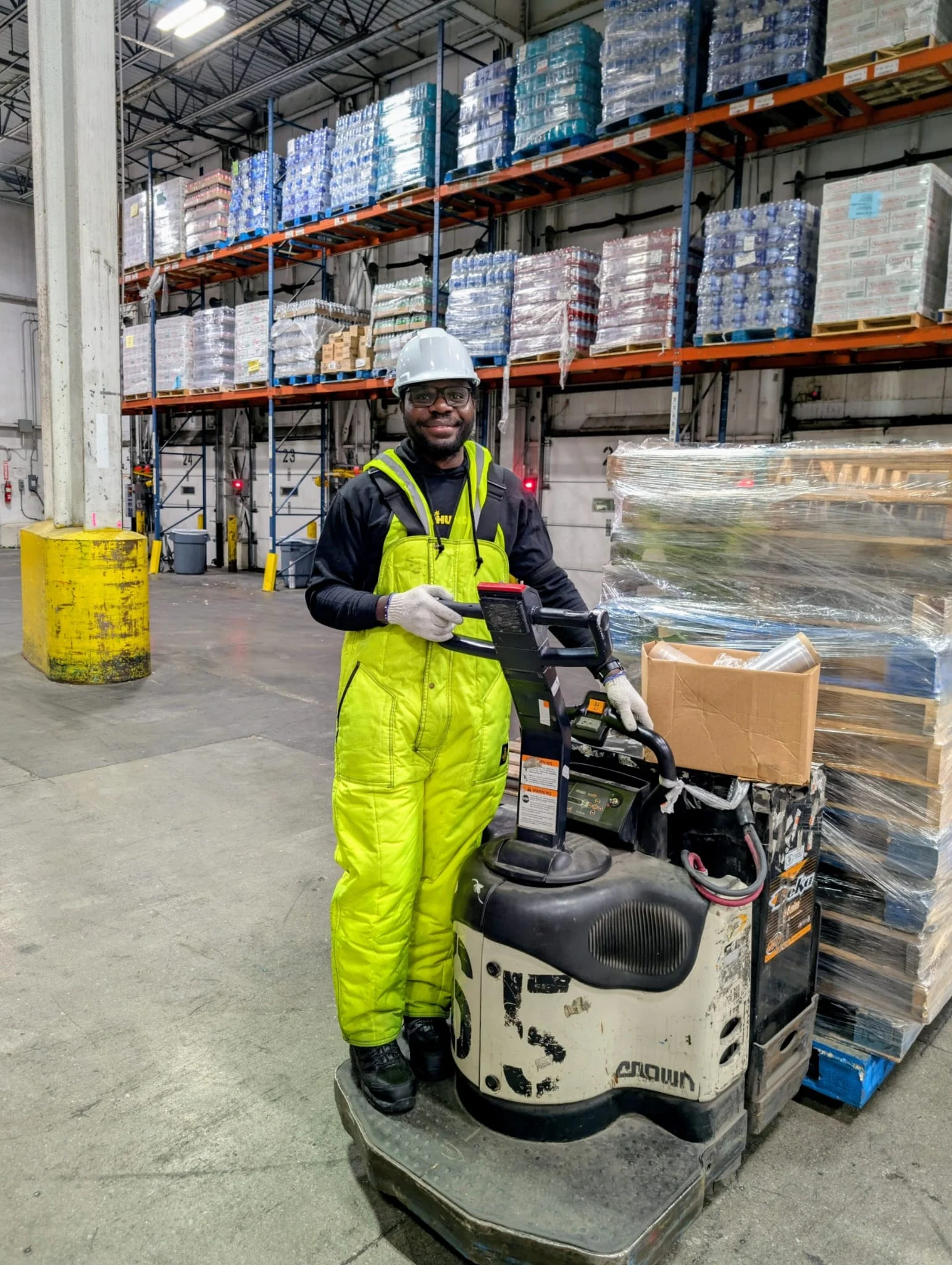
Built for an operating floor
The system is designed around where records may live, what needs approval, and how your team checks what happened.
Deploy in the cloud, on your private network, or on machines in your building.
See the source document, extracted fields, system action, and result for each job.
Set thresholds and approval points so uncertain or high-risk work never slips through silently.

How a paperwork project runs
We define the current process, test the difficult cases, and build only what the evidence supports.
We follow one document workflow from arrival to final action, including the systems, handoffs, and exceptions involved.
We use representative and difficult examples to see what can be read reliably and what must stay in human review.
We connect approved sources, systems, permissions, and review points without replacing tools that already work.
Your team receives the agreed system, audit trail, documentation, and training, with impact checked against the current workflow.
Practical questions
No. Aiwanfo builds around the systems and processes already in use. The job is usually the manual work between email, paper, shared drives, and your operational software.
Common starting points include delivery notes, invoices, proof of delivery, intake forms, claims, returns paperwork, and internal operational forms. Suitability depends on document quality and the decision the data supports.
Uncertain fields can be flagged for a person to review. Sensitive actions can require approval, and every result can retain a link back to the source document.
Yes. Aiwanfo supports cloud, private-network, and on-site deployment, depending on the operation, security requirements, and systems involved.
You keep the agreed code, data, documentation, and training. Any model ownership or provider terms are made clear before the project begins. Ongoing work with Aiwanfo is a choice, not a dependency.
Start with one paperwork bottleneck
We will map the workflow, identify what should be validated, and tell you whether AI, conventional software, or a process change is the right next step.